Zero knowledge. Zero onboarding.
Notes, contacts, files, and records, encrypted on your device before they sync. Open Tearleads and start working, with no email or password to set up.
Early access.While we test, hosted data can be reset, so keep a backup of anything important.
Explorer 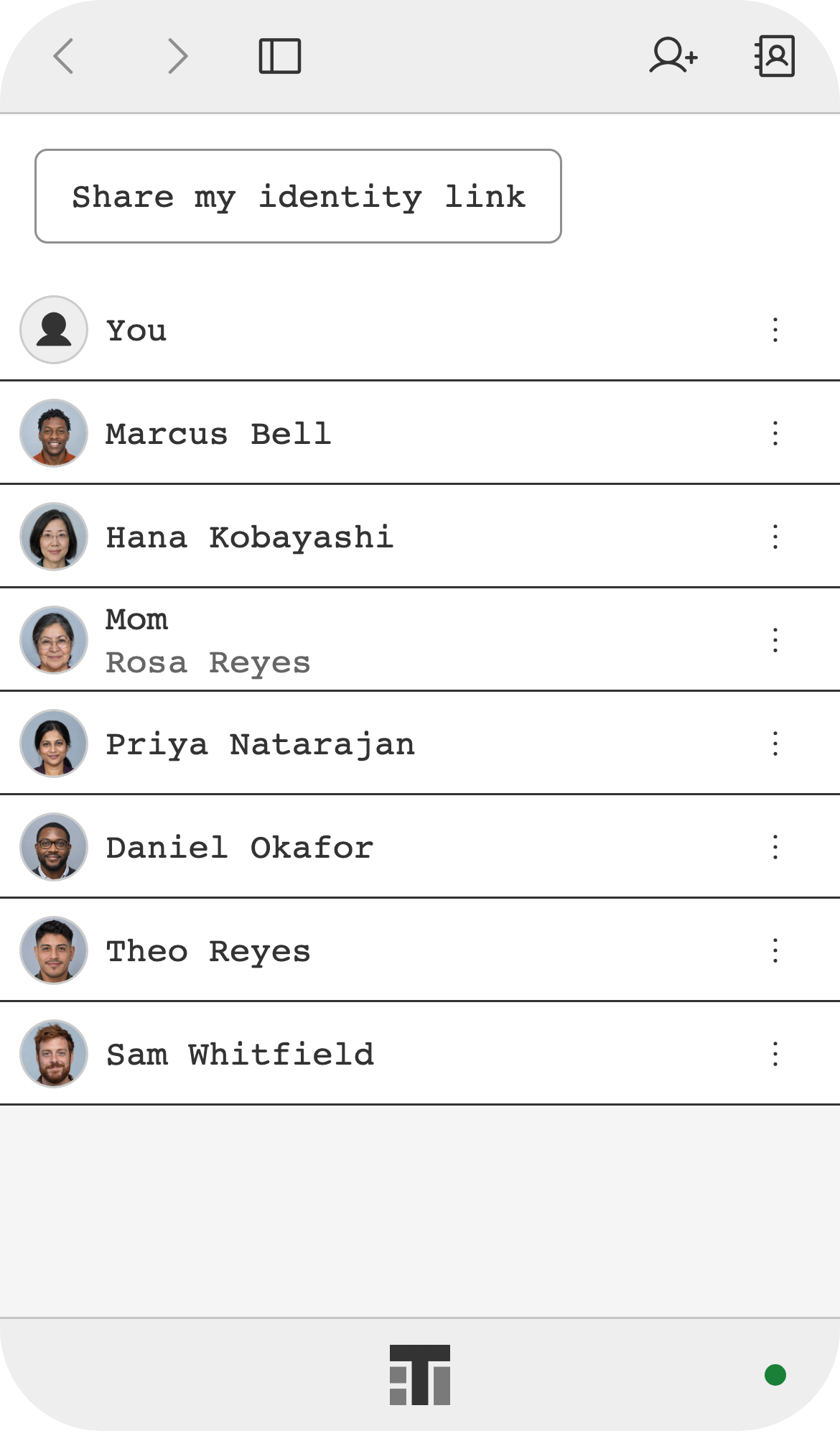
Contacts 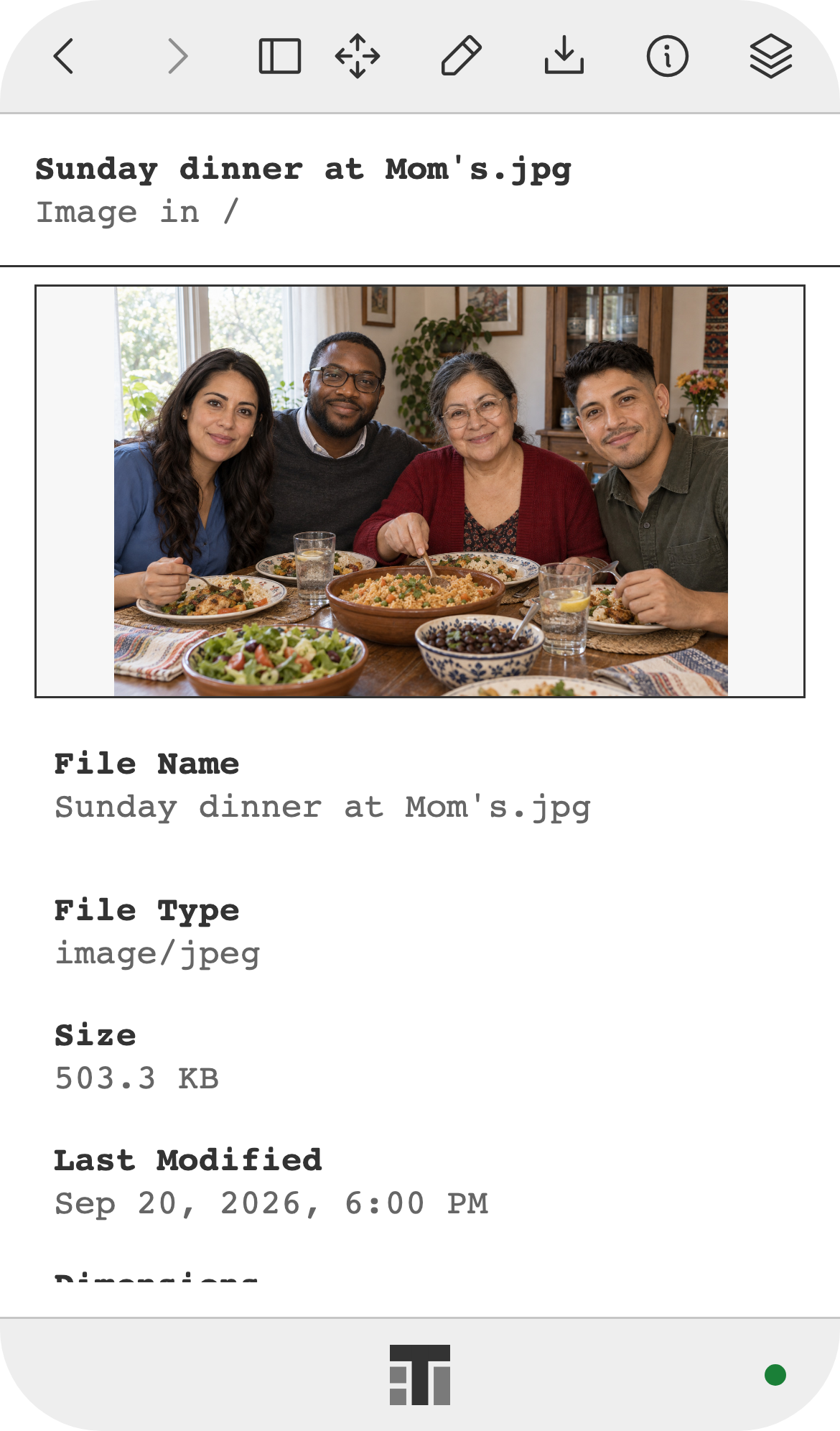
Photos 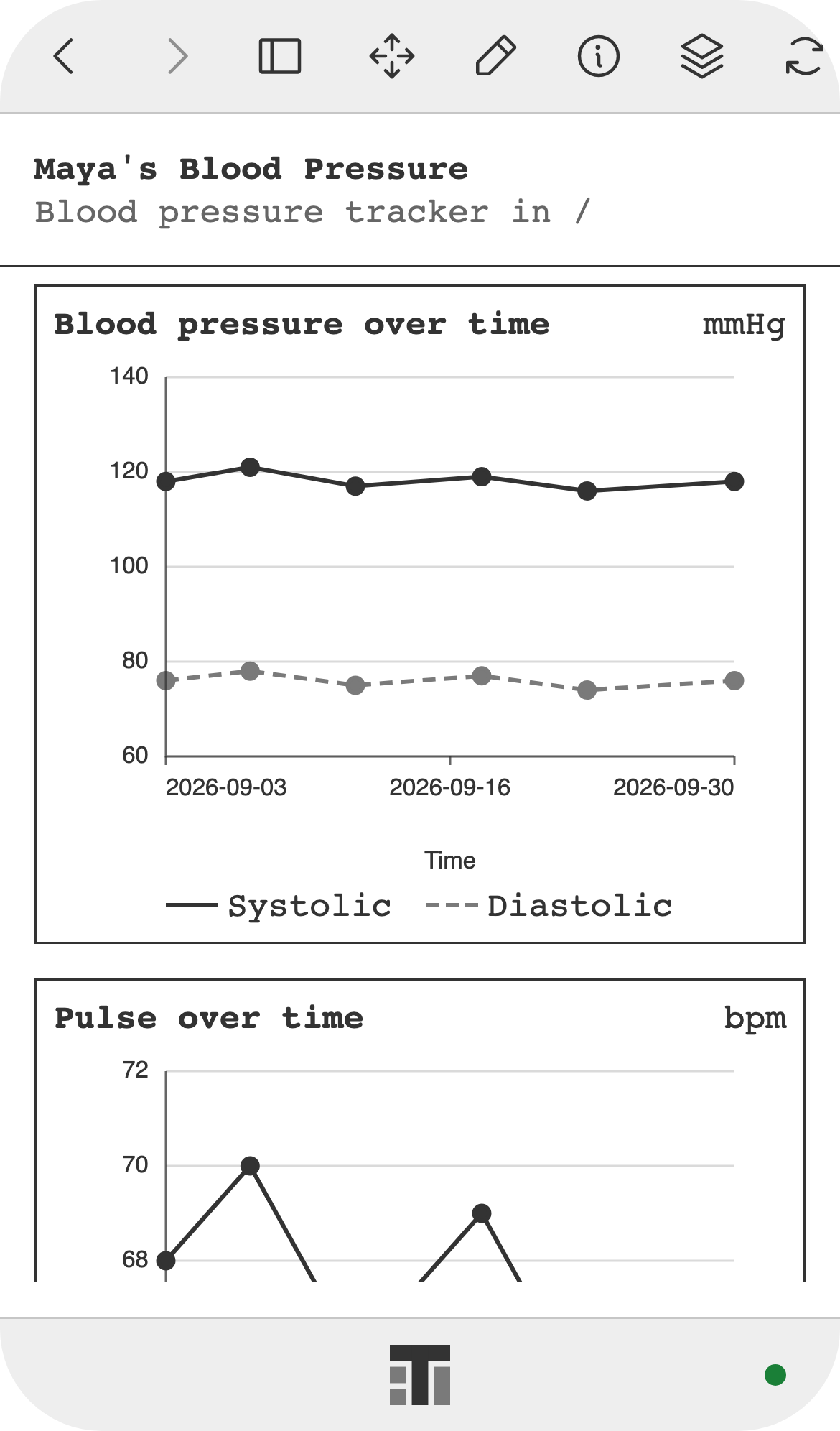
Health tracking 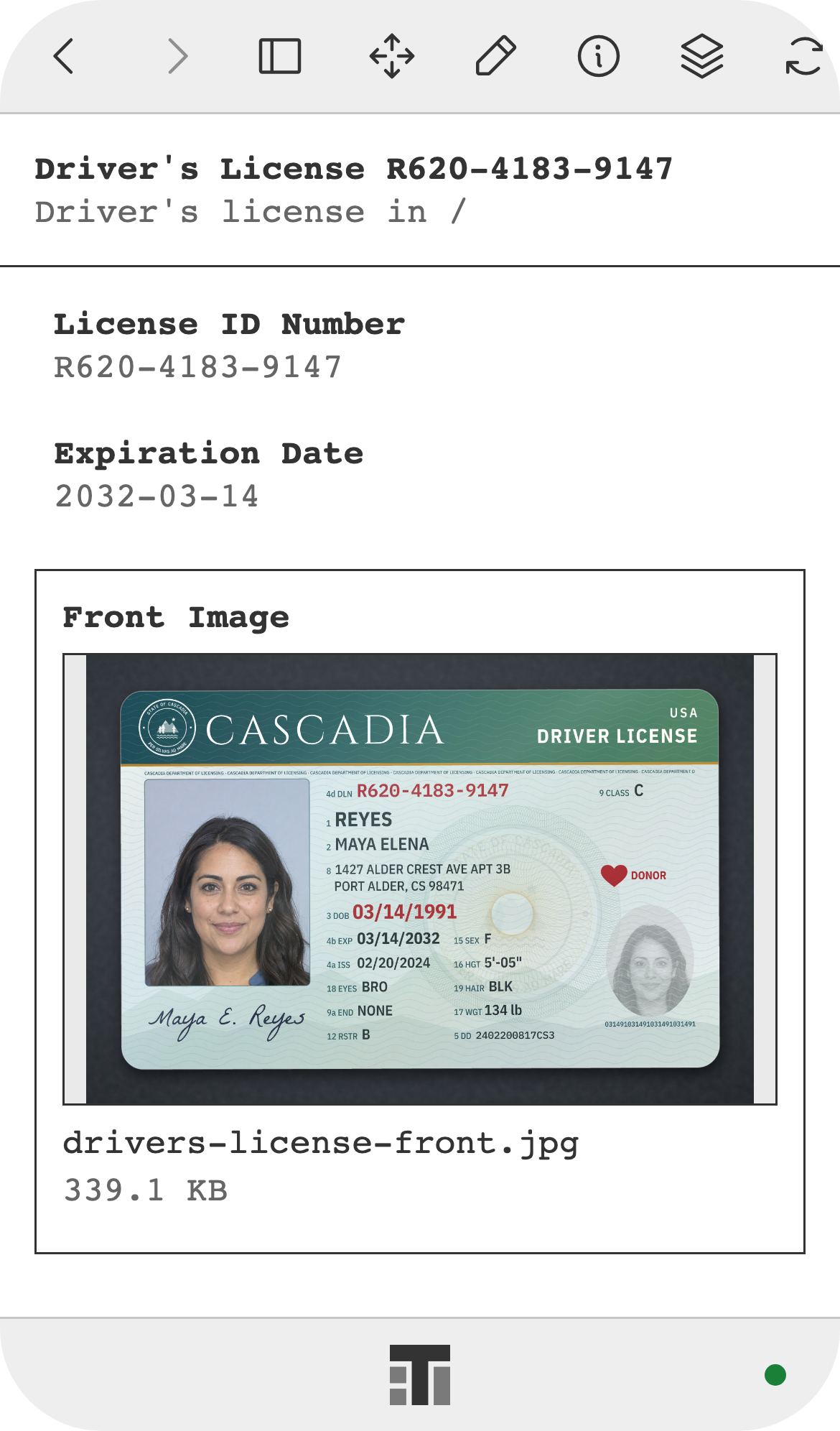
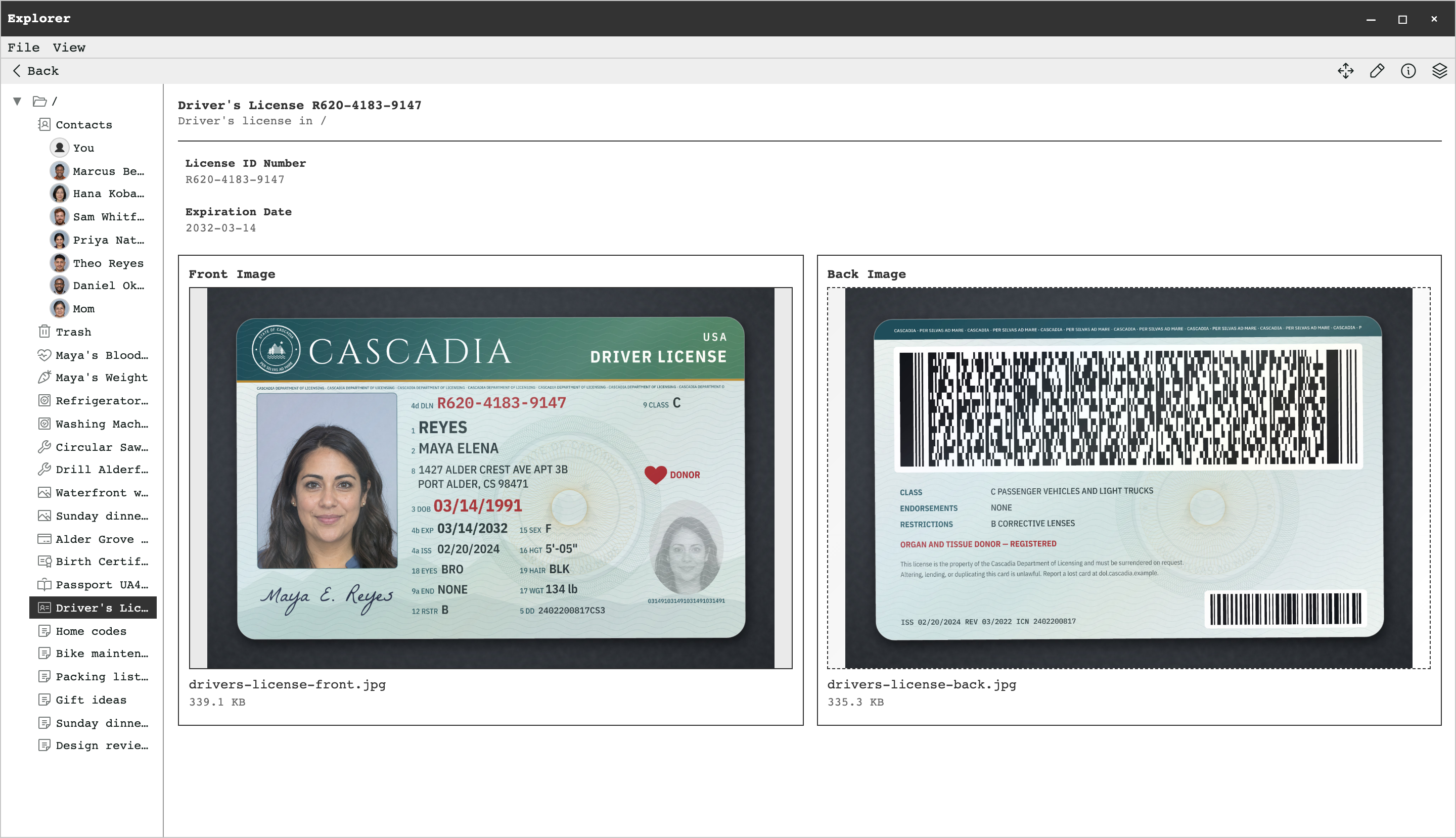
Driver's license 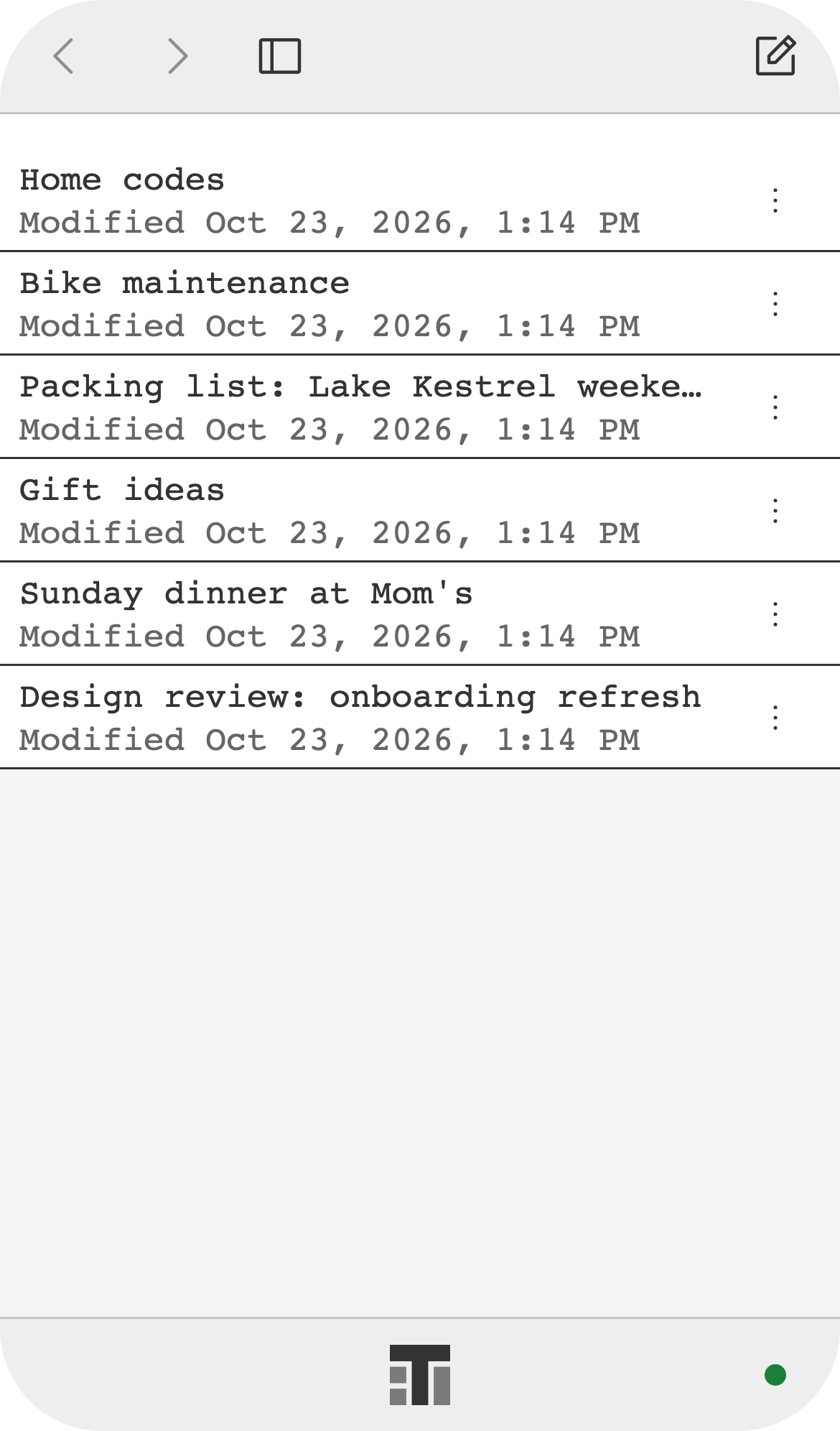
Notes 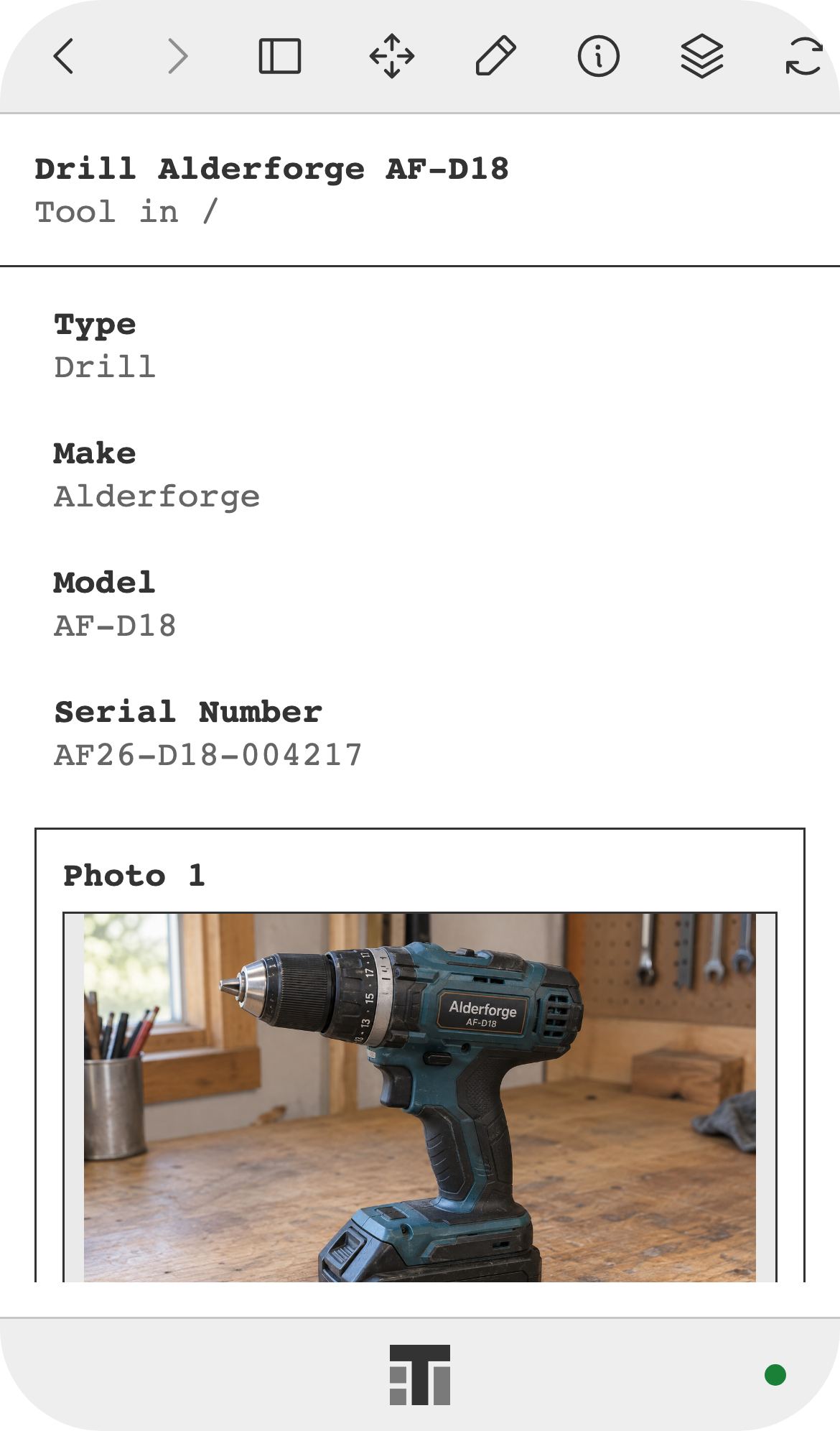
Belongings 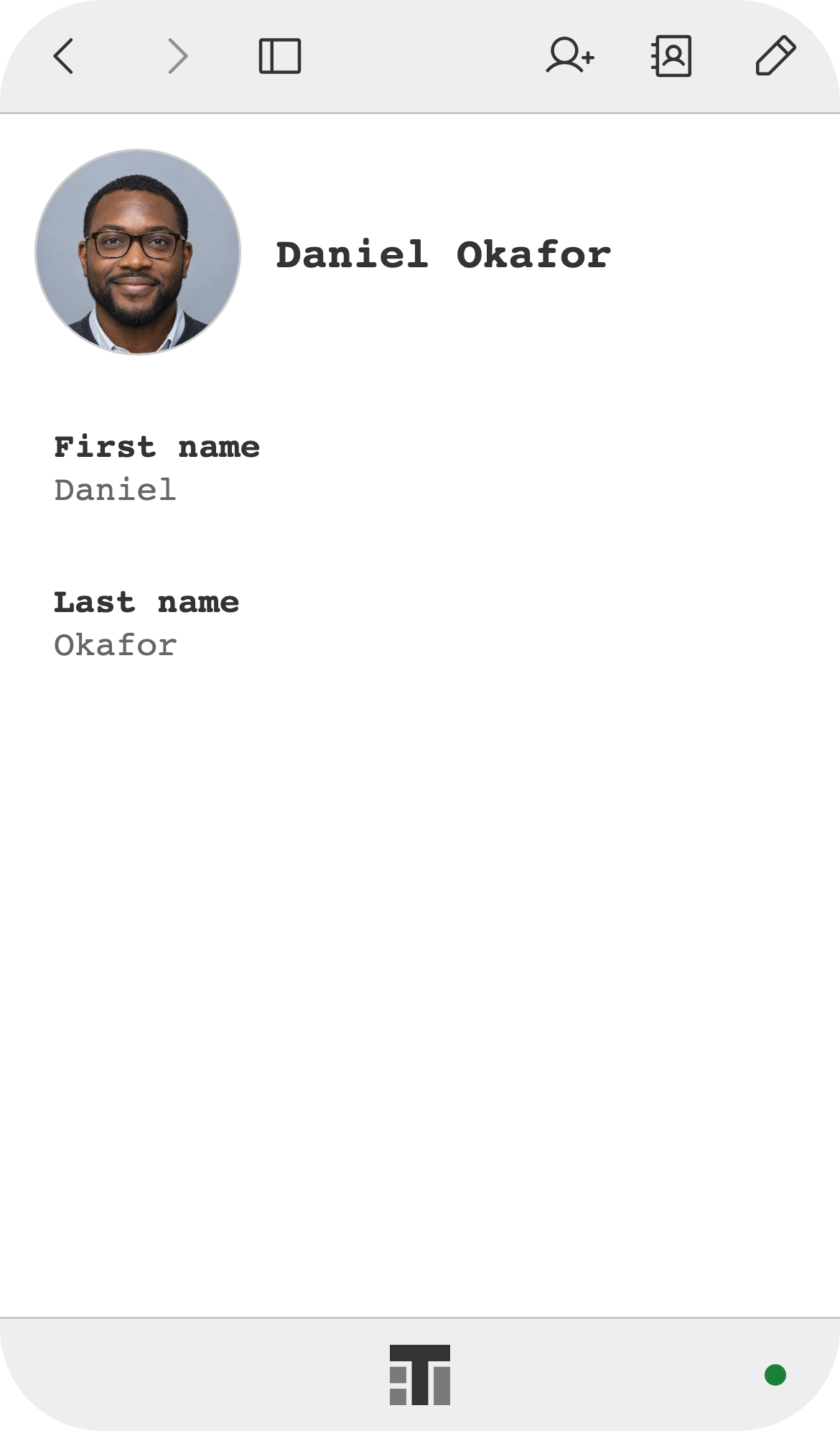
Contact 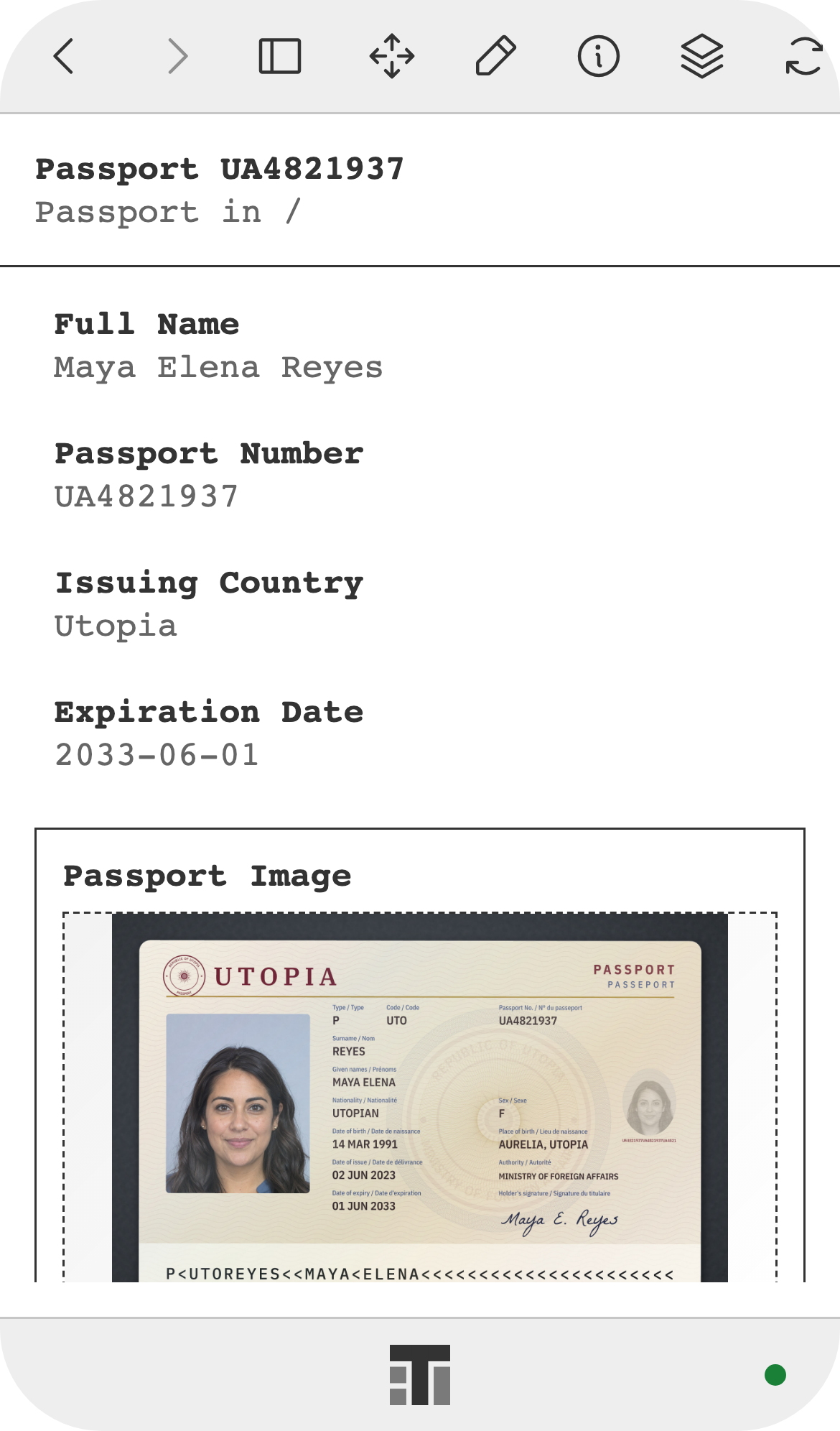
Passport 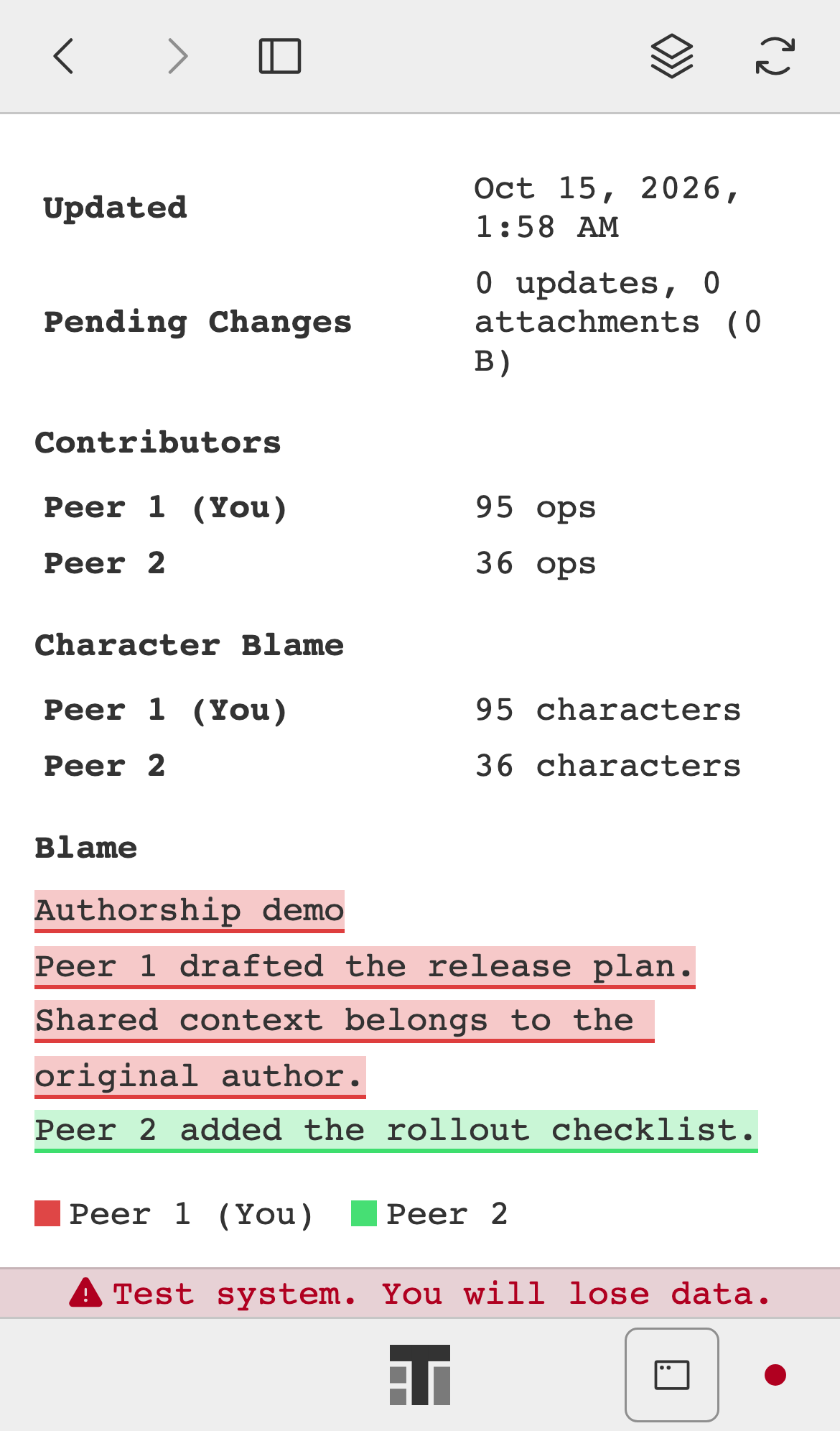
Authorship


Zero knowledge
Document and file contents are encrypted on your device before they sync. The service stores ciphertext and wrapped keys and holds no plaintext content keys. The app derives who can receive keys from signed access records it verifies, not from server-provided lists.
- Content
- Encrypted before it syncs
- Service stores
- Encrypted content and wrapped keys
- Access
- From verified signed records
Zero onboarding
The first time you open Tearleads, it creates your identity keys on your device and, once you're online, registers their public keys with the service. Those keys sign you in, so you skip the account form and start working right away.
- Sign-up
- Instant, no email or password
- Identity
- Created on your device
- Recovery
- 24-word recovery phrase
Save your 24-word recovery phrase from Identity Manager whenever you're ready, and keep it somewhere private: it restores your identity on any device. Paid plans on the web ask only for a billing email at checkout.
How it worksWhat's in Tearleads
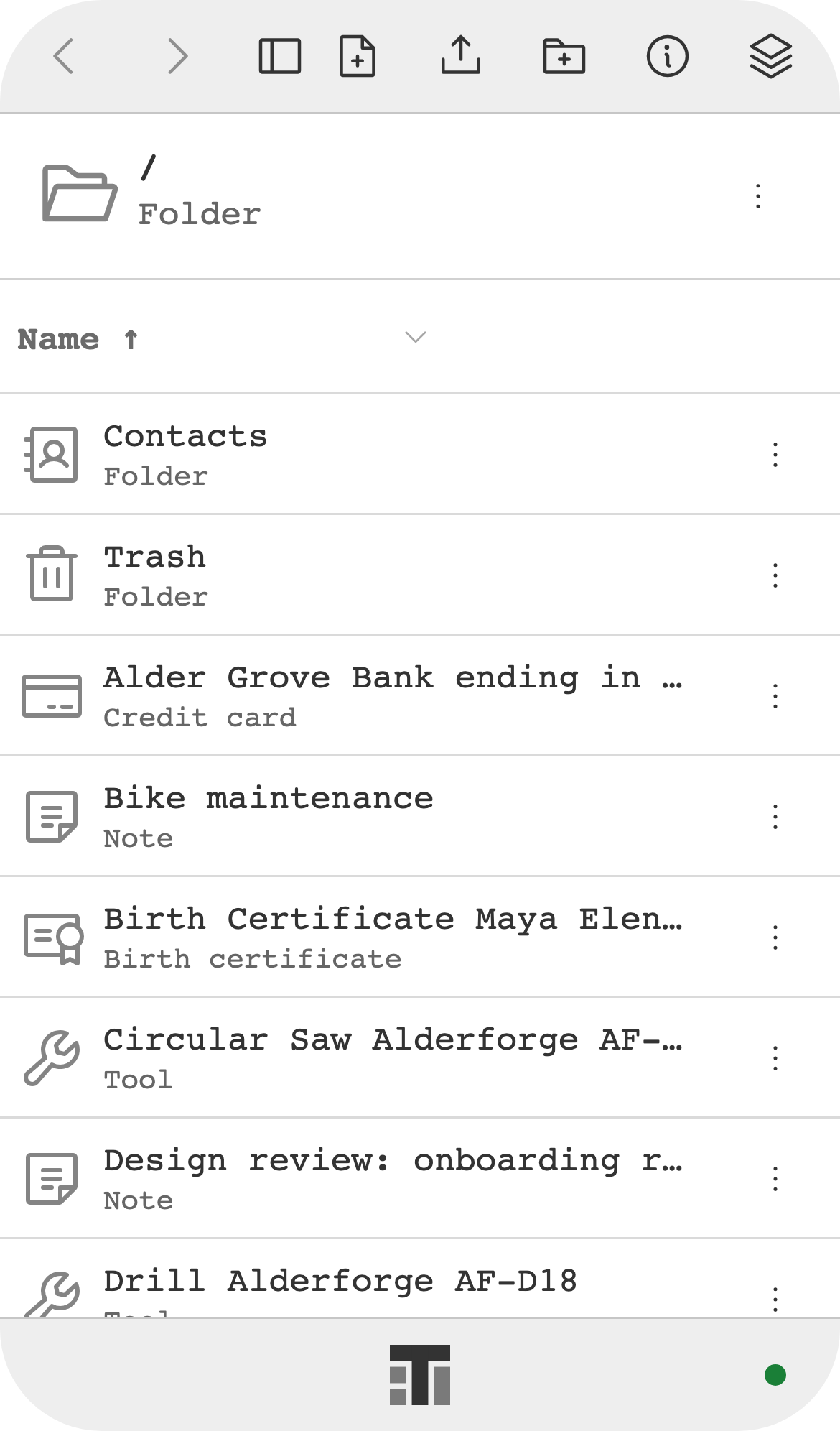
Everything lives in one folder tree in Explorer.
Notes
Plain-text notes with attached files and image previews.
Contacts
Names, nicknames, and profile photos. Add a Tearleads user ID to link a contact to that person's identity.
Files
Import images, PDFs, audio, and video into nested folders, download them again, and recover items from Trash.
Records
Structured records such as driver's licenses and passports, each with its own fields and images.
Offline first
Edits save on your device first and sync as soon as you're back online.
Backups
Export a password-protected backup file and restore from it.
How it works
Open Tearleads
Use the web app in your browser, or install the desktop app for macOS or Linux. Your identity is ready the moment it opens.
Work on your device
Your notes, contacts, and files are stored encrypted on your device and stay editable offline. Export a password-protected backup whenever you like.
Sync and share
Your personal organization gets a 7-day free sync trial when the app registers your identity. After that, paid plans keep end-to-end encrypted sync across your devices, and Team plans add folder sharing with users and groups in your organization.
Private by design
Your content is encrypted before it leaves your device, and access is backed by signatures the app checks itself.
Encrypted on your device
Document and file contents, organization names, and custom group names are encrypted on your device before they sync. The service stores ciphertext and wrapped keys, not plaintext content keys.
Details: Encrypted on your deviceVerified sharing
The app works out who can receive a folder's keys from signed access records and group policies that it verifies itself, so access follows signatures rather than the server's membership rows.
Details: Verified sharingAtomic key rotation
Removing group members rotates the group key and the affected folder keys in one atomic update.
Details: Atomic key rotationEncrypted at rest
Local data is stored encrypted, under keys protected by a host wrapping key, and you can add a PIN lock.
Details: Encrypted at rest
Post-quantum Public-key operations in the Tearleads keying protocol use ML-KEM-1024 for key delivery and ML-DSA-87 for signatures (NIST FIPS 203 and 204). Synced document and file contents are encrypted with AES-256-GCM.
Pricing
Free on your device. Paid plans add sync for one organization, priced by member capacity rather than per member.
Free Forever
$0
Encrypted storage on your device
Solo
$5 / month
Encrypted sync for 1 member
Team (up to 5)
$10 / month
Encrypted sync and sharing for up to 5 members
Team (up to 10)
$20 / month
Encrypted sync and sharing for up to 10 members
Your personal organization starts a 7-day free sync trial when the app first registers your identity. For any other organization, an admin can start one in Org Manager → Billing.
Download
Install Tearleads on macOS, Linux, Windows, iOS, or Android, or use it in your browser.
- Download for macOS
macOS
- Apple silicon
- .dmg
- Signed and notarized
- Download for Linux
Linux
- x64 (Intel, AMD)
- .tar.gz
- Tested on Ubuntu 24.04
- Download for iOS
iOS
- iPhone and iPad
- App Store
- Download for Android
Android
- Phone and tablet
- Google Play internal testing
Web
- app.tearleads.com
Runs in your browser.
Open web app
Verify each desktop download against its SHA-256 checksum before you install. The Linux install guide shows the command.
Zero knowledge. Zero onboarding.
Free on your device. Open Tearleads in your browser, or install it on macOS or Linux.